Blockchain Social Media: Decentralized Platforms 2025
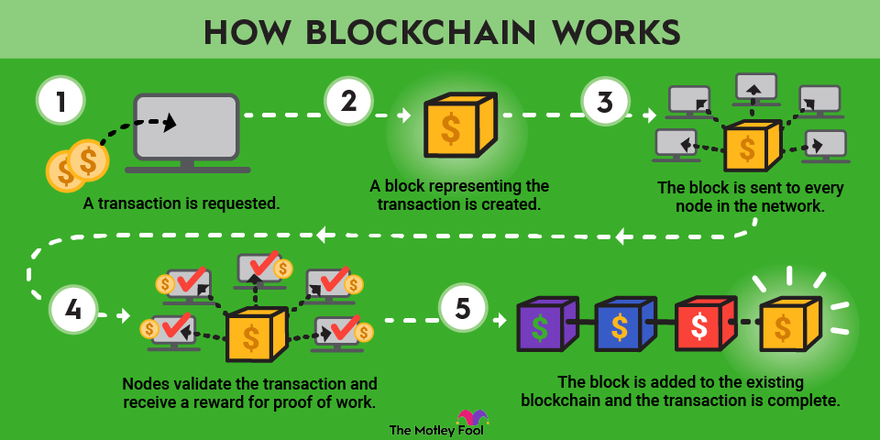
Imagine a world where you control your data, your voice isn't censored, and your social interactions aren't dictated by algorithms. Sounds like a dream, right? Well, the future of social media might just be heading in that direction with the rise of decentralized platforms powered by blockchain technology.
Frustrations with current social media giants are growing. Users are increasingly concerned about data privacy, algorithmic bias, and the lack of control over their online experiences. The concentration of power in the hands of a few corporations raises questions about censorship and the manipulation of information. Many seek alternatives that empower individuals and foster more authentic connections.
This article explores the potential of blockchain-based social media platforms to address these issues and revolutionize the way we interact online by 2025. We'll delve into the core principles of decentralization, the benefits of blockchain technology, and the challenges that need to be overcome to create a truly democratic and user-centric social media landscape.
In summary, we're diving into the exciting world of blockchain social media and what it could look like in 2025. We'll explore the principles of decentralization, the benefits of blockchain, including data ownership and censorship resistance, and the hurdles to overcome. Key terms you'll encounter include blockchain, decentralization, Web3, NFTs, cryptocurrency, data privacy, and community governance.
The Promise of Data Ownership
Data ownership is a big deal. I remember a time when I posted a picture on a popular platform, and within hours, I saw it being used in an advertisement without my permission. It was frustrating, to say the least, and made me realize how little control I had over my own content. It highlighted the fundamental problem with centralized platforms: they own your data, not you. Blockchain social media platforms aim to change this. They empower users to own their data, meaning they decide who can access it and how it's used. This is often achieved through cryptographic keys and decentralized storage solutions, giving users complete control over their digital identity and content. Imagine being able to monetize your posts directly, without giving a huge cut to a corporation! This shift in power dynamics is at the heart of the decentralized social media movement. The goal is to foster a more equitable and transparent online environment where users are rewarded for their contributions and have agency over their digital footprint. This paradigm shift is enabled by blockchain technology, offering a glimpse into a future where data privacy and individual control reign supreme.
Understanding Decentralization
Decentralization, at its core, means distributing power and control away from a central authority. In the context of social media, this translates to moving away from platforms like Facebook and Twitter, which are controlled by a single entity. Instead, blockchain social media aims to create platforms that are governed by the community of users themselves. This is often achieved through a distributed network of computers, each holding a copy of the platform's data. Because no single entity controls the network, it becomes incredibly difficult to censor or manipulate information. Think of it like a digital town square where everyone has a voice and the rules are decided collectively. Furthermore, decentralization enhances security and transparency. Because data is distributed across multiple nodes, the risk of a single point of failure is minimized. Blockchain's inherent transparency also means that all transactions and interactions are recorded on a public ledger, making it easier to verify the authenticity of information and prevent fraud. In essence, decentralization empowers users to shape the future of their online communities, creating a more democratic and resilient social media ecosystem.
The History and Myths of Decentralized Social Media
The idea of decentralized social media isn't entirely new. In the early days of the internet, there were many attempts to create open and distributed platforms. However, these early efforts often lacked the technological infrastructure to truly scale and compete with centralized giants. The emergence of blockchain technology has provided the missing piece of the puzzle. One common myth is that decentralized social media is inherently chaotic and ungovernable. While it's true that decentralized platforms require robust governance mechanisms, they are not inherently lawless. Many blockchain social media projects are experimenting with innovative governance models, such as decentralized autonomous organizations (DAOs), which allow users to vote on proposals and shape the platform's future. Another myth is that decentralized social media is only for tech enthusiasts and cryptocurrency users. While these early adopters have played a crucial role in the development of the space, the goal is to create platforms that are accessible and user-friendly for everyone. As blockchain technology becomes more mainstream, we can expect to see more intuitive interfaces and simplified onboarding processes for decentralized social media platforms. The future of social media may be a fusion of the best elements of both centralized and decentralized models, creating a more balanced and empowering online experience for all.
Unveiling the Secrets of Blockchain Social Media
One of the less discussed, but crucial aspects of blockchain social media is the potential for new economic models. Instead of relying solely on advertising revenue, these platforms can leverage cryptocurrencies and NFTs to reward users for their contributions. Imagine earning tokens for creating engaging content, participating in community discussions, or curating valuable information. This incentivizes users to actively participate in the platform and contribute to its growth. Another secret is the potential for enhanced privacy and security. Blockchain technology allows users to control their own data and decide who can access it. This is a stark contrast to centralized platforms, where user data is often collected and shared without explicit consent. Furthermore, blockchain's cryptographic security features can protect users from hacking and data breaches. The combination of data ownership and enhanced security creates a safer and more empowering online environment. Finally, the open-source nature of many blockchain social media projects fosters collaboration and innovation. Developers from around the world can contribute to the platform's code, improving its functionality and addressing any vulnerabilities. This collaborative approach ensures that the platform remains adaptable and responsive to the needs of its users.
Recommendations for Embracing Decentralized Platforms
If you're curious about exploring blockchain social media, start by researching the different platforms available. Some popular options include Steemit, Minds, and Mastodon. Each platform has its own unique features, governance models, and user communities. Experiment with a few different platforms to find one that aligns with your interests and values. Before diving in, take the time to understand the platform's underlying technology and governance mechanisms. Familiarize yourself with concepts like blockchain, cryptocurrency, and DAOs. This will help you make informed decisions about how you interact with the platform and contribute to its growth. Consider using a pseudonym or alias when creating your profile. This can help protect your privacy and prevent your online activity from being linked to your real-world identity. Engage with the community and participate in discussions. Decentralized platforms thrive on user participation, so don't be afraid to share your thoughts, offer feedback, and contribute to the platform's development. Remember, the decentralized social media space is still in its early stages. Be patient, experiment with different approaches, and don't be afraid to make mistakes. By actively participating in this emerging ecosystem, you can help shape the future of social media and create a more democratic and empowering online experience for all.
Understanding Web3 Integration
Web3, the next iteration of the internet, is all about decentralization, blockchain technologies, and user empowerment. Integrating Web3 principles into social media platforms is key to unlocking the full potential of decentralized social networks. This integration allows for things like verifiable data ownership through NFTs, direct monetization of content via cryptocurrency payments, and decentralized governance through DAOs. Imagine your social media profile being an NFT that you truly own and control. Or, receiving cryptocurrency micropayments every time someone likes your post. These are just some of the possibilities that Web3 integration unlocks. However, it's not without its challenges. Ensuring seamless user experience, addressing scalability issues, and navigating the regulatory landscape are crucial considerations. The future of social media likely involves a hybrid approach, blending the best features of Web2 (the current internet) with the innovative possibilities of Web3. As technology matures and adoption increases, Web3 integration will undoubtedly revolutionize the way we interact and connect online, fostering a more equitable and user-centric social media ecosystem.
Tips for Navigating Blockchain Social Media
Navigating the world of blockchain social media can be a bit daunting at first. One of the most important tips is to prioritize security. Use strong passwords, enable two-factor authentication, and be wary of phishing scams. Remember that your cryptocurrency wallet is the key to your digital assets, so protect it accordingly. Another key tip is to do your own research. Don't blindly trust information you find online. Verify the claims made by platforms and projects before investing your time or money. Look for reputable sources and seek out diverse perspectives. Be aware of the risks involved. Cryptocurrency investments can be volatile, and some blockchain social media projects may be scams. Only invest what you can afford to lose. Engage with the community responsibly. Be respectful of other users, avoid spreading misinformation, and contribute to constructive discussions. Remember that the success of decentralized platforms depends on the collective efforts of its community members. By following these tips, you can navigate the world of blockchain social media safely and responsibly, and contribute to the growth of a more democratic and empowering online experience.
Privacy Considerations on Decentralized Platforms
While blockchain social media offers enhanced privacy compared to traditional platforms, it's crucial to understand the nuances. Because blockchain transactions are recorded on a public ledger, your activity is technically visible to anyone. However, by using pseudonyms and employing privacy-enhancing techniques, you can significantly reduce the risk of being identified. Some platforms offer features like end-to-end encryption for direct messages, ensuring that your conversations remain private. Others are exploring zero-knowledge proofs, which allow you to verify information without revealing the underlying data. It's also important to be mindful of the information you share publicly. Avoid posting personal details that could be used to identify you. Consider using a separate cryptocurrency wallet for your social media activities, further isolating your online identity from your financial transactions. Remember, privacy is not an all-or-nothing proposition. By taking proactive steps to protect your data, you can enjoy the benefits of decentralized social media while minimizing the risks to your personal information.
Fun Facts About the Future of Social Media
Did you know that some blockchain social media platforms are experimenting with universal basic income (UBI) models? Users can earn tokens simply by being active on the platform, providing a basic level of income and incentivizing participation. Another fun fact is that the concept of "social tokens" is gaining traction. These are tokens issued by individuals or communities, allowing fans to support their favorite creators and participate in exclusive activities. Imagine owning a token that gives you access to a private chat with your favorite musician or artist! Some decentralized platforms are also exploring the use of virtual reality (VR) and augmented reality (AR) to create immersive social experiences. Imagine attending a virtual concert with friends from around the world, or collaborating on a 3D art project in a shared virtual space. The possibilities are endless! As blockchain technology continues to evolve, we can expect to see even more innovative and exciting applications emerge in the social media space, transforming the way we connect, create, and interact online. The future of social media is shaping up to be a fun, engaging, and empowering experience for all.
How to Get Started with Blockchain Social Media
Getting started with blockchain social media is easier than you might think. First, choose a platform that aligns with your interests and values. Research different platforms and read reviews to find one that suits your needs. Next, create a cryptocurrency wallet. This is where you'll store your tokens and manage your digital assets. There are many different wallets available, so choose one that is secure and user-friendly. Purchase some cryptocurrency. You'll need cryptocurrency to participate in most blockchain social media platforms. You can buy cryptocurrency on a cryptocurrency exchange like Coinbase or Binance. Create an account on your chosen platform. Follow the platform's instructions to create an account and set up your profile. Explore the platform and engage with the community. Start posting content, participating in discussions, and connecting with other users. Be patient and don't be afraid to experiment. The world of blockchain social media is constantly evolving, so be open to learning new things and trying new approaches. By following these steps, you can easily get started with blockchain social media and begin exploring the exciting possibilities of this emerging ecosystem.
What If Decentralized Social Media Takes Over?
If decentralized social media were to become the dominant paradigm, the implications would be far-reaching. We could see a significant shift in power away from centralized corporations and towards individual users. This could lead to a more equitable and democratic online environment, where users have greater control over their data and their voices. The rise of decentralized platforms could also foster greater innovation and competition in the social media space. Smaller, more nimble platforms could emerge, catering to niche communities and offering unique features that centralized giants are unable to replicate. The economic models of social media could also be transformed. Instead of relying solely on advertising revenue, platforms could leverage cryptocurrencies and NFTs to reward users for their contributions. This could create new opportunities for creators and incentivize users to actively participate in the platform. However, there are also potential challenges to consider. Ensuring scalability, addressing security concerns, and navigating the regulatory landscape would be crucial. The transition to a decentralized social media landscape would likely be a gradual process, with both centralized and decentralized platforms coexisting for some time. Ultimately, the success of decentralized social media will depend on its ability to provide a better user experience, foster a strong sense of community, and address the challenges of scale and governance.
Listicle: Top 5 Benefits of Blockchain Social Media
1. Data Ownership: You control your data, not a corporation.
- Censorship Resistance: Your voice can't be easily silenced.
- Economic Empowerment: Earn cryptocurrency for your contributions.
- Enhanced Privacy: Protect your personal information.
- Community Governance: Shape the platform's future.
Blockchain social media offers a compelling vision for a more democratic and empowering online experience. By leveraging the power of decentralization and blockchain technology, these platforms are poised to revolutionize the way we connect, create, and interact online. While challenges remain, the potential benefits are undeniable. As the technology matures and adoption increases, we can expect to see even more innovative and exciting applications emerge in the social media space.
Question and Answer
Q: What is the main benefit of using blockchain social media?
A: The main benefit is that you own your data and have more control over your online experience.
Q: How does blockchain social media prevent censorship?
A: Because the data is distributed across a decentralized network, no single entity can easily censor information.
Q: Can I earn money on blockchain social media platforms?
A: Yes, many platforms reward users with cryptocurrency for creating content and participating in the community.
Q: Is blockchain social media safe?
A: While blockchain offers enhanced security, it's important to take precautions like using strong passwords and protecting your cryptocurrency wallet.
Conclusion of Blockchain Social Media: Decentralized Platforms 2025
The future of social media is undoubtedly being shaped by blockchain technology. Decentralized platforms offer a compelling alternative to the centralized giants that currently dominate the landscape. While challenges remain, the potential benefits of data ownership, censorship resistance, and economic empowerment are undeniable. As we move closer to 2025, we can expect to see further innovation and adoption of blockchain social media, transforming the way we connect, create, and interact online. The key to success lies in creating user-friendly platforms that foster strong communities and address the challenges of scale and governance. The journey towards a more democratic and empowering social media ecosystem has just begun, and the possibilities are truly exciting.
Post a Comment