Crypto Exchange Security Features: Stay Safe Trading 2025
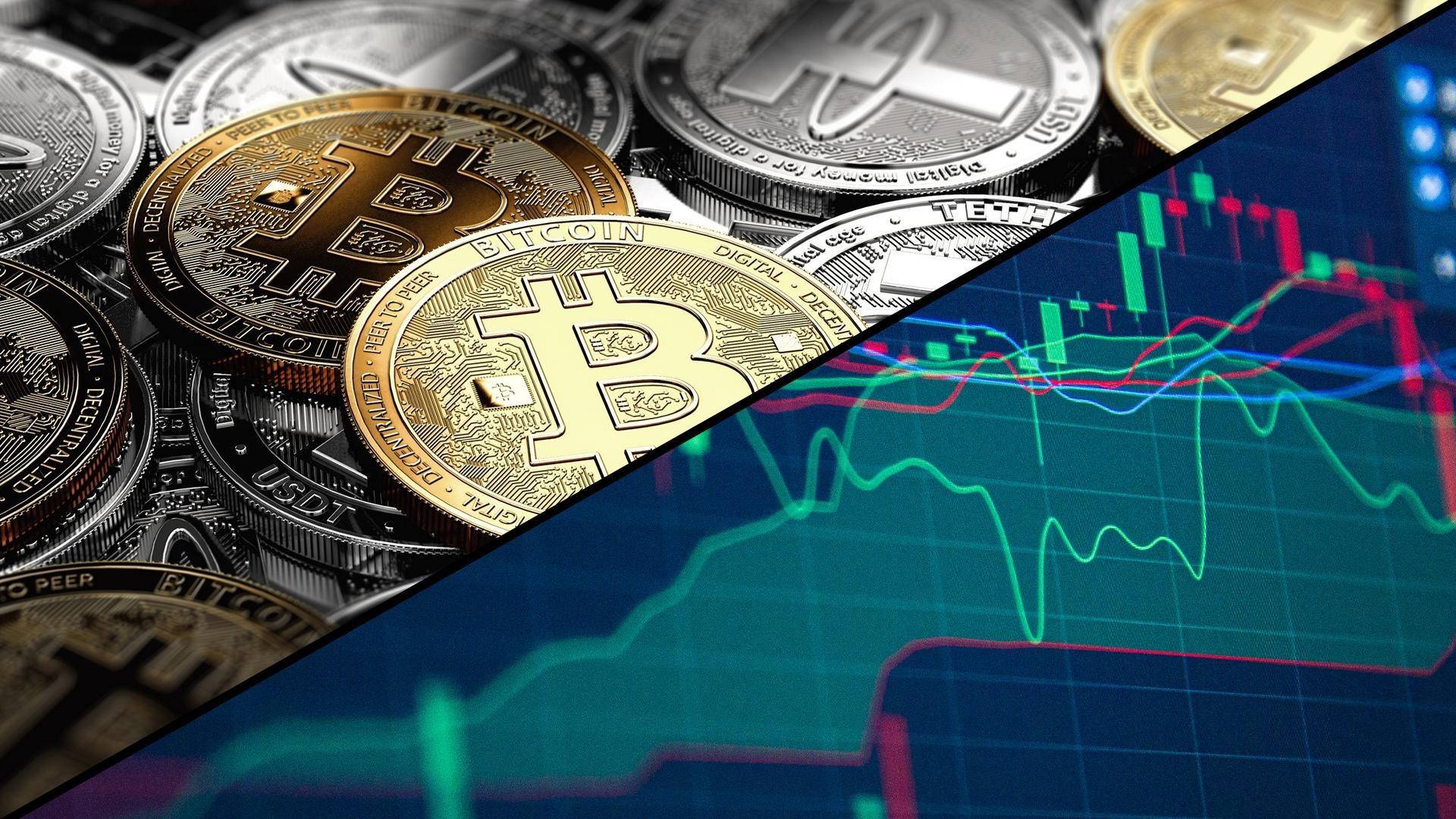
Imagine your digital wallet, overflowing with the promise of tomorrow, suddenly vulnerable. The world of cryptocurrency offers incredible opportunities, but lurking in the shadows are ever-evolving threats targeting your hard-earned investments. Are you truly prepared to navigate the crypto landscape safely in 2025?
Many investors dive into the crypto market with excitement, focusing on potential gains. However, the growing sophistication of cyberattacks can leave them feeling exposed and anxious about the security of their assets. Fear of losing funds due to hacks, scams, or even simple errors is a constant worry. Keeping up with the latest security measures and understanding the vulnerabilities of different exchanges can feel overwhelming.
This article aims to equip you with the knowledge and tools necessary to navigate the crypto exchange landscape with confidence in 2025. We'll explore the essential security features you need to understand, how to evaluate different exchanges, and practical steps you can take to protect your investments from evolving threats.
In summary, securing your crypto assets in 2025 requires a proactive and informed approach. This means understanding and utilizing essential security features like two-factor authentication (2FA), cold storage, and whitelisting. It also involves carefully evaluating the security practices of exchanges you choose, staying updated on the latest threats, and adopting personal security habits to minimize your risk. By prioritizing security, you can confidently participate in the exciting world of cryptocurrency trading while safeguarding your financial future.
Understanding Two-Factor Authentication (2FA)
Two-Factor Authentication, or 2FA, adds an extra layer of security to your account, making it significantly harder for hackers to gain access, even if they have your password. I remember when I first started trading crypto, I brushed off 2FA as an unnecessary hassle. I thought, "Who would want to hackmyaccount?" Famous last words! A few months later, I received a suspicious email that looked incredibly legitimate. Luckily, my exchange had 2FA enabled by default. Without it, my account would have been compromised. That experience taught me a valuable lesson about the importance of proactive security measures.
Think of it like this: your password is the first lock on your door, and 2FA is a second, much stronger lock. It usually involves something youhave(like your smartphone) in addition to something youknow(your password). This means that even if someone steals your password, they still need physical access to your phone or another authentication device to log in. Most exchanges offer 2FA through authenticator apps like Google Authenticator or Authy, which generate time-sensitive codes. Some also support SMS-based 2FA, although this is generally considered less secure due to the risk of SIM swapping attacks. Always choose the strongest 2FA method available and ensure it is enabled for every account that supports it. In the evolving threat landscape of 2025, neglecting 2FA is simply not an option if you value your digital assets.
The Importance of Cold Storage
Cold storage refers to keeping your cryptocurrency offline, significantly reducing the risk of online hacking and theft. It's like storing your valuables in a physical safe instead of leaving them out in the open. Unlike hot wallets, which are connected to the internet and readily accessible, cold wallets are isolated from potential cyber threats. Think of hardware wallets, paper wallets, or even storing your private keys on a USB drive kept in a secure location. The key benefit of cold storage is its inherent security advantage. Since the private keys are not exposed to the internet, they are virtually immune to online attacks.
Many investors choose to store the majority of their crypto holdings in cold storage, using hot wallets only for day-to-day trading or spending. This dramatically minimizes their exposure to potential losses from exchange hacks or other security breaches. While cold storage offers superior security, it also comes with certain trade-offs. Accessing your funds from cold storage requires more time and effort than using a hot wallet. It's crucial to carefully manage and safeguard your private keys, as losing them can result in permanent loss of access to your cryptocurrency. In 2025, as the sophistication of cyberattacks continues to grow, cold storage will remain an indispensable tool for safeguarding your digital wealth.
The History and Myths of Crypto Exchange Security
The history of crypto exchanges is riddled with tales of hacks and security breaches, underscoring the critical importance of robust security measures. Early exchanges, often lacking sophisticated security protocols, were prime targets for hackers. Mt. Gox, once the largest Bitcoin exchange, suffered a devastating hack in 2014, leading to the loss of hundreds of millions of dollars worth of Bitcoin and severely damaging the reputation of the entire industry. This event served as a wake-up call, prompting exchanges to prioritize security and invest in advanced technologies.
One common myth is that all crypto exchanges are inherently insecure. While past incidents have created a perception of risk, many modern exchanges have implemented robust security measures, including cold storage, multi-factor authentication, and regular security audits. Another myth is that keeping a small amount of crypto on an exchange is "safe enough." Even small amounts can be targeted by hackers, and neglecting security best practices can expose your entire account to risk. It's crucial to remember that the security of your cryptocurrency ultimately rests on your own vigilance and awareness. In 2025, understanding the history of crypto exchange security and dispelling common myths will be essential for making informed decisions and protecting your investments.
The Hidden Secret of Whitelisting Addresses
Address whitelisting, a powerful yet often overlooked security feature, allows you to specify a list of approved withdrawal addresses for your account. This means that withdrawals can only be made to addresses on your whitelist, preventing unauthorized transfers even if your account is compromised. I consider it the hidden secret weapon for crypto security because, let's be honest, we're all prone to mistakes. Imagine accidentally entering the wrong address when sending crypto – whitelisting completely eliminates that risk.
The beauty of whitelisting is its simplicity and effectiveness. Once you've created your whitelist, any withdrawal attempt to an address not on the list will be automatically blocked. This provides an extra layer of protection against phishing scams, malware attacks, and even internal fraud. While setting up a whitelist requires a bit of initial effort, the peace of mind it provides is well worth the investment. Think of it as a digital "do not disturb" sign for your cryptocurrency, preventing unauthorized access and giving you greater control over your assets. In 2025, as cyber threats become increasingly sophisticated, address whitelisting will be a crucial tool for safeguarding your crypto holdings and preventing potentially devastating losses.
Recommendations for Choosing a Secure Crypto Exchange
Selecting a secure crypto exchange is paramount to protecting your digital assets. Beyond basic security features like 2FA, dig deeper into the exchange's security practices and reputation. Look for exchanges that have a proven track record of security, undergo regular security audits by reputable third-party firms, and offer insurance coverage to protect against potential losses due to hacks or theft.
Don't rely solely on marketing claims or superficial reviews. Research the exchange's security protocols, examine its history of security incidents, and assess its transparency and responsiveness in addressing security concerns. Consider factors such as the exchange's cold storage practices, its use of multi-signature wallets, and its compliance with regulatory requirements. Diversifying your holdings across multiple exchanges can also mitigate risk, as it reduces your exposure to any single point of failure. In 2025, choosing a secure crypto exchange will require diligent research and a critical eye, ensuring that your investments are protected by robust security measures and a commitment to safeguarding user funds. Always remember to prioritize security over convenience or fleeting trends when making your choice.
Understanding the Importance of Regular Security Audits
Regular security audits are a vital component of a robust security framework for any crypto exchange. These audits involve independent third-party firms assessing the exchange's security protocols, infrastructure, and code for vulnerabilities and weaknesses. They provide an objective evaluation of the exchange's security posture, identifying potential risks and recommending improvements.
A reputable security audit should cover a wide range of areas, including network security, application security, data encryption, access controls, and incident response procedures. The audit should also assess the exchange's compliance with relevant security standards and regulations. Exchanges that undergo regular security audits demonstrate a commitment to security and a willingness to address potential vulnerabilities. When evaluating a crypto exchange, look for evidence of independent security audits and review the audit reports to understand the exchange's security strengths and weaknesses. Remember that security audits are not a guarantee against all threats, but they provide a valuable layer of assurance and help exchanges stay ahead of evolving cyber threats. In the increasingly complex security landscape of 2025, regular security audits will be essential for maintaining the integrity and trustworthiness of crypto exchanges.
Essential Security Tips for Crypto Traders in 2025
Beyond the security features offered by exchanges, adopting sound personal security practices is crucial for protecting your crypto assets. Always use strong, unique passwords for your exchange accounts and avoid reusing passwords across multiple platforms. Enable two-factor authentication (2FA) on all accounts that support it, and choose an authenticator app over SMS-based 2FA whenever possible. Be wary of phishing emails and websites, and never click on suspicious links or enter your credentials on unfamiliar sites. Regularly update your software and operating systems to patch security vulnerabilities.
Consider using a password manager to securely store and manage your passwords. Avoid storing large amounts of cryptocurrency on exchanges for extended periods. Instead, transfer your holdings to a hardware wallet or other form of cold storage for long-term safekeeping. Educate yourself about common crypto scams and be skeptical of promises of guaranteed returns or unrealistic profits. By implementing these essential security tips, you can significantly reduce your risk of falling victim to cyberattacks and safeguard your crypto investments in the ever-evolving threat landscape of 2025. Remember, being proactive about security is the best defense against potential losses.
The Dangers of Phishing Scams in the Crypto World
Phishing scams remain a persistent threat in the crypto world, targeting unsuspecting users with deceptive emails, websites, or messages designed to steal their credentials or private keys. These scams often impersonate legitimate exchanges, wallets, or crypto projects, making it difficult for users to distinguish them from genuine communications.
Phishing emails may contain links to fake login pages that closely resemble the real exchange website. Once a user enters their username and password on the fake page, the attacker gains access to their account. Other phishing scams may attempt to trick users into revealing their private keys or seed phrases, which can be used to steal their cryptocurrency. To protect yourself from phishing scams, always double-check the sender's email address and the website URL before entering any sensitive information. Be wary of unsolicited emails or messages asking for your credentials or private keys. Never click on suspicious links or download attachments from unknown sources. Enable two-factor authentication on all your accounts to add an extra layer of security. By staying vigilant and informed about the tactics used in phishing scams, you can significantly reduce your risk of falling victim to these deceptive attacks.
Fun Facts About Crypto Exchange Security
Did you know that some crypto exchanges employ "white hat" hackers to test their security systems? These ethical hackers are hired to identify vulnerabilities and weaknesses in the exchange's defenses, helping to prevent real attacks. It's like having a friendly burglar try to break into your house to show you where the weak spots are!
Another fun fact is that some exchanges offer bug bounty programs, rewarding users who discover and report security vulnerabilities. This encourages the crypto community to contribute to the security of the exchange and helps to identify potential threats before they can be exploited. The largest crypto heists have resulted in losses of hundreds of millions of dollars, highlighting the immense value of securing digital assets. As the crypto industry continues to evolve, security measures will become even more sophisticated, incorporating advanced technologies like artificial intelligence and machine learning to detect and prevent cyberattacks. Learning about these fun facts can help you appreciate the complex and ever-evolving landscape of crypto exchange security and the importance of staying informed about the latest threats and defenses.
How to Secure Your Crypto Wallets
Securing your crypto wallets is just as important as choosing a secure exchange. Whether you're using a hot wallet (connected to the internet) or a cold wallet (offline), there are several steps you can take to enhance its security. For hot wallets, always use a strong, unique password and enable two-factor authentication. Be cautious about the apps and websites you connect to your wallet, as malicious apps can steal your private keys or drain your funds.
For cold wallets, store your recovery seed phrase in a safe and secure location, away from prying eyes. Consider using a hardware wallet, which stores your private keys offline and requires physical confirmation for transactions. Regularly back up your wallet and store the backup in a separate location. Be wary of phishing scams and never enter your seed phrase on any website or app that you don't trust. By following these security practices, you can significantly reduce the risk of losing your cryptocurrency due to hacking, theft, or accidental loss. Remember that your wallet is your digital safe, and it's your responsibility to protect it.
What If a Crypto Exchange Gets Hacked?
Even with the best security measures in place, there's always a risk that a crypto exchange could get hacked. If this happens, it's important to stay calm and take swift action to protect your remaining assets. First, immediately change your password on the exchange and enable two-factor authentication if you haven't already done so. Monitor your account for any suspicious activity and report any unauthorized transactions to the exchange. If you had funds stored on the exchange, contact their customer support team to inquire about their plan for compensating affected users.
In some cases, exchanges may have insurance coverage that can help to reimburse losses. However, it's important to remember that insurance coverage may not cover all losses, and the recovery process can take time. As a general rule, it's best to avoid storing large amounts of cryptocurrency on exchanges for extended periods. Instead, transfer your holdings to a hardware wallet or other form of cold storage for long-term safekeeping. By diversifying your holdings across multiple exchanges and using secure wallet practices, you can mitigate the risk of losing all your funds in the event of a hack.
A Checklist of Crypto Exchange Security Features: Stay Safe Trading
Here's a quick checklist to help you evaluate the security of a crypto exchange:
- Two-Factor Authentication (2FA): Is 2FA offered and strongly encouraged? Does the exchange support authenticator apps like Google Authenticator or Authy?
- Cold Storage: Does the exchange store a significant portion of its assets in cold storage?
- Address Whitelisting: Does the exchange allow you to whitelist withdrawal addresses?
- Regular Security Audits: Does the exchange undergo regular security audits by reputable third-party firms? Are the audit reports publicly available?
- Insurance Coverage: Does the exchange offer insurance coverage to protect against potential losses due to hacks or theft?
- Multi-Signature Wallets: Does the exchange use multi-signature wallets to require multiple approvals for transactions?
- Bug Bounty Program: Does the exchange have a bug bounty program to reward users who discover and report security vulnerabilities?
- KYC/AML Compliance: Does the exchange comply with Know Your Customer (KYC) and Anti-Money Laundering (AML) regulations?
- Transparent Security Practices: Is the exchange transparent about its security practices and responsive to security concerns?
- Strong Password Policies: Does the exchange enforce strong password policies and require users to regularly update their passwords?
By using this checklist, you can make a more informed decision when choosing a crypto exchange and increase the security of your digital assets. Remember to prioritize security over convenience when selecting an exchange.
Question and Answer
Q: What is the most important security feature I should look for in a crypto exchange?
A: While many features are important, prioritize two-factor authentication (2FA) and cold storage. 2FA adds an extra layer of protection to your account, while cold storage keeps the majority of the exchange's assets offline, away from hackers.
Q: Is it safe to keep my crypto on an exchange indefinitely?
A: It's generally not recommended to keep large amounts of crypto on an exchange for extended periods. Exchanges are potential targets for hackers, and you could lose your funds if the exchange is compromised. Consider transferring your holdings to a hardware wallet or other form of cold storage for long-term safekeeping.
Q: What should I do if I suspect my crypto exchange account has been hacked?
A: Immediately change your password, enable 2FA (if it's not already enabled), and contact the exchange's customer support team. Monitor your account for any suspicious activity and report any unauthorized transactions.
Q: How can I protect myself from phishing scams in the crypto world?
A: Be wary of unsolicited emails or messages asking for your credentials or private keys. Always double-check the sender's email address and the website URL before entering any sensitive information. Never click on suspicious links or download attachments from unknown sources.
Conclusion of Crypto Exchange Security Features: Stay Safe Trading 2025
As we venture further into 2025, the importance of crypto exchange security cannot be overstated. By understanding the evolving threats, implementing robust security measures, and staying informed about best practices, you can navigate the crypto landscape with confidence and protect your investments. Remember, security is not a one-time fix but an ongoing process that requires vigilance and adaptability. Prioritize your security, and you'll be well-equipped to thrive in the exciting world of cryptocurrency trading.
Post a Comment