Cross-Chain Bridge Comparison: Safest Ways to Move Crypto Between Blockchains
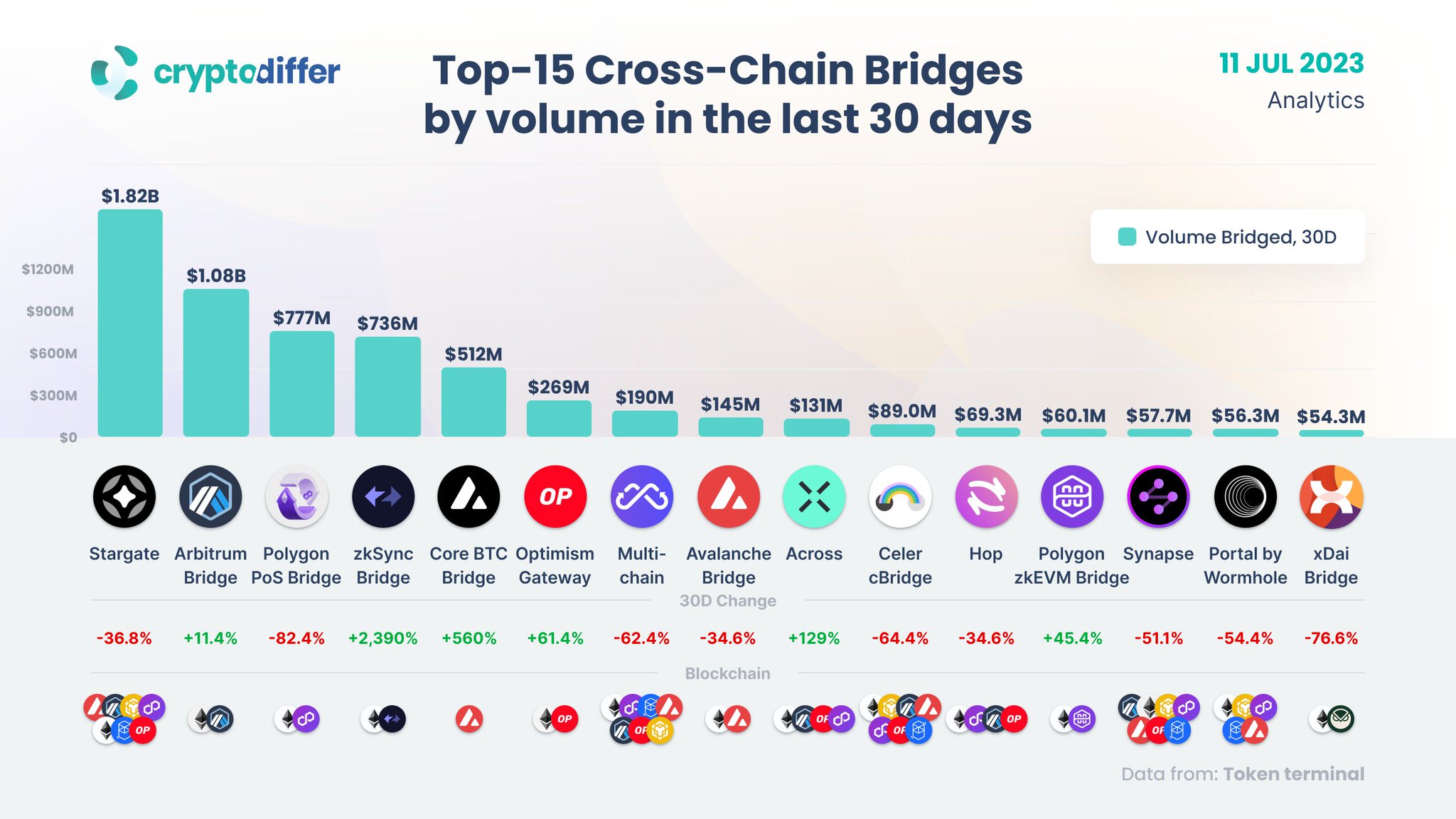
Imagine a world where your digital assets aren't confined to a single blockchain, a world where you can seamlessly move your crypto across different ecosystems with ease and security. Sounds too good to be true? Well, it's not! Cross-chain bridges are making this a reality, but navigating this landscape can feel like traversing a minefield. Let's explore the safest routes for your crypto journey.
The current state of cross-chain transfers can often feel like a tightrope walk. High fees, slow transaction times, and the looming threat of exploits can make even the most seasoned crypto user hesitant. Juggling multiple wallets and constantly researching the latest security vulnerabilities adds unnecessary stress to the process.
This article aims to cut through the noise and provide a clear comparison of different cross-chain bridges, focusing on their security features and overall reliability. We'll explore various bridge types, delve into their strengths and weaknesses, and ultimately help you make informed decisions about how to safely move your crypto between blockchains.
In this journey through the cross-chain landscape, we'll examine the various types of bridges available, from centralized exchanges to decentralized protocols, evaluating their security mechanisms, transaction costs, and speed. We'll highlight the risks associated with each type and provide actionable insights for making informed decisions when transferring your digital assets across different blockchains. Key terms like "cross-chain interoperability," "bridge security," and "decentralized finance (De Fi)" will be explored, providing a comprehensive understanding of this vital aspect of the crypto world.
Personal Experience with Cross-Chain Bridges
My first foray into cross-chain bridging was, to put it mildly, nerve-wracking. I'd been holding some tokens on Ethereum and wanted to participate in a yield farming opportunity on Binance Smart Chain (now BNB Chain). The potential returns were enticing, but the thought of losing my funds during the transfer process kept me up at night. I spent hours researching different bridges, reading countless articles and forum posts, trying to determine which option was the least risky. I eventually settled on a bridge that seemed reputable, but even then, I only transferred a small amount initially to test the waters. The entire process felt like an exercise in blind faith, hoping that the bridge wouldn't get hacked or that my transaction wouldn't get stuck somewhere in limbo.
That experience really highlighted the need for better security and transparency in the cross-chain space. While bridges offer incredible potential for connecting different blockchain ecosystems and unlocking new opportunities in De Fi, the risks are undeniable. We need more robust security audits, clearer communication about potential vulnerabilities, and user-friendly interfaces that don't require a Ph D in cryptography to navigate. The future of cross-chain interoperability depends on building trust and ensuring that users can move their assets between blockchains with confidence. That's why comparing bridges based on their security and reliability is so vital. We need to know what mechanisms are in place to prevent attacks, how quickly vulnerabilities are addressed, and what kind of recourse is available if something goes wrong. This is not just about technical specifications; it's about peace of mind.
What are Cross-Chain Bridges?
Cross-chain bridges are essentially pathways that allow you to transfer tokens or data from one blockchain network to another. Think of them as virtual bridges connecting different islands, where each island represents a unique blockchain like Ethereum, Bitcoin, or Solana. Without these bridges, these blockchains would be isolated, unable to interact or share information.
These bridges work by either locking up your tokens on the original chain and issuing "wrapped" versions on the destination chain, or by facilitating a swap between different assets. The underlying mechanism can vary significantly depending on the type of bridge. Some bridges rely on centralized entities to manage the transfers, while others use decentralized smart contracts and validators to ensure security and transparency. It's crucial to understand these different approaches, as they each come with their own trade-offs in terms of speed, cost, and security.
The rise of De Fi and the increasing fragmentation of the blockchain landscape have made cross-chain bridges an essential piece of infrastructure. They enable users to access new markets, participate in different De Fi protocols, and diversify their investments across multiple chains. However, the complexity and inherent risks of cross-chain transfers also make it a prime target for hackers. Understanding how different bridges function and evaluating their security measures is therefore crucial for anyone looking to navigate this exciting but potentially perilous world. They are the linchpin of a truly interconnected blockchain future, unlocking liquidity and driving innovation across the entire ecosystem.
History and Myths of Cross-Chain Bridges
The concept of cross-chain communication isn't new. Early attempts at interoperability date back to the early days of Bitcoin, with projects like Colored Coins exploring ways to represent assets from other chains on the Bitcoin network. However, these early solutions were limited in scope and functionality.
The real surge in cross-chain bridge development came with the rise of Ethereum and its smart contract capabilities. Projects like Polkadot and Cosmos emerged with the explicit goal of building an "internet of blockchains," enabling seamless communication and data sharing between different chains. These projects introduced new architectural designs and consensus mechanisms to address the challenges of cross-chain interoperability.
One common myth surrounding cross-chain bridges is that they are inherently secure. While some bridges employ sophisticated security measures, the reality is that they are often the weakest link in the blockchain ecosystem. The large amounts of value locked up in bridges make them attractive targets for hackers, and numerous exploits have demonstrated the vulnerabilities that exist in even the most well-designed bridges. Another myth is that all bridges are created equal. In reality, there is a wide range of bridge designs, each with its own strengths and weaknesses. Some bridges are more centralized, while others are more decentralized. Some prioritize speed and efficiency, while others prioritize security. It's important to understand these differences and choose a bridge that aligns with your specific needs and risk tolerance. Ignoring these nuances can have devastating consequences.
Hidden Secrets of Cross-Chain Bridges
One of the biggest "secrets" of cross-chain bridges is the complexity hidden beneath the surface. What appears to be a simple transfer of tokens from one chain to another often involves a complex interplay of smart contracts, validators, and relayers, each with its own potential points of failure. Understanding this underlying complexity is crucial for assessing the security risks of a particular bridge.
Another hidden aspect is the reliance on trusted third parties. While some bridges are designed to be fully decentralized, many still rely on a network of trusted validators or relayers to verify transactions and ensure the integrity of the bridge. These trusted parties can become a single point of failure, potentially allowing malicious actors to compromise the bridge and steal funds. The level of decentralization is therefore a key factor to consider when evaluating the security of a cross-chain bridge.
Finally, many users are unaware of the potential regulatory implications of using cross-chain bridges. Depending on the jurisdiction, cross-chain transfers may be subject to different tax laws and regulations. It's important to be aware of these potential legal and regulatory issues before using a cross-chain bridge. Regulatory uncertainty adds another layer of complexity to the already challenging landscape of cross-chain interoperability. Keeping yourself informed is essential.
Recommendations for Cross-Chain Bridge Usage
Before using any cross-chain bridge, do your research. Don't just blindly trust the marketing hype. Look into the bridge's security audits, its track record, and the team behind it. A reputable bridge will have undergone multiple security audits by independent firms, and the results of these audits should be publicly available. A proven history of secure operations is also a positive sign, though past performance is never a guarantee of future results. Investigate the team members, their experience, and their reputation in the crypto community.
Start with small amounts. Never transfer a large amount of funds through a bridge until you've tested it with a small transaction. This will allow you to familiarize yourself with the process and identify any potential issues before risking a significant portion of your assets. Treat your initial transaction as a "test drive" to gain confidence and verify the bridge's functionality.
Diversify your bridge usage. Don't rely on a single bridge for all your cross-chain transfers. Spreading your transactions across multiple bridges can reduce your overall risk exposure. This diversification strategy is similar to not putting all your eggs in one basket. By using different bridges, you minimize the potential impact if one bridge is compromised. Remember that no bridge is completely risk-free, so it's always wise to mitigate your exposure.
Understanding Bridge Types
There are several different types of cross-chain bridges, each with its own architectural design and security trade-offs. Understanding these different types is crucial for making informed decisions about which bridge to use. The simplest type of bridge is a centralized bridge, which relies on a trusted third party to manage the transfers. These bridges are often faster and more convenient to use, but they also introduce a single point of failure. If the centralized entity is compromised, all funds held by the bridge could be at risk.
Another type of bridge is a decentralized bridge, which uses smart contracts and validators to ensure security and transparency. These bridges are generally more secure than centralized bridges, but they can also be slower and more expensive to use. The specific consensus mechanism used by the decentralized bridge can also impact its security. Some decentralized bridges use a multi-signature scheme, where multiple validators must approve a transaction before it can be executed. Other bridges use a more complex proof-of-stake or proof-of-authority system. The key is to analyze the underlying technology and understand the potential vulnerabilities.
Hybrid bridges combine elements of both centralized and decentralized bridges, attempting to strike a balance between speed, cost, and security. These bridges may use a centralized relayer to facilitate transactions, but rely on a decentralized network of validators to verify the integrity of the transfers. Choosing the right bridge type ultimately depends on your individual needs and risk tolerance. Do you prioritize speed and convenience, or are you more concerned with security and decentralization? Carefully weigh the trade-offs before making your decision.
Tips for Safe Cross-Chain Bridging
Double-check the destination address. Before initiating a cross-chain transfer, carefully verify the destination address on the target chain. A simple typo can result in the loss of your funds. Use a reputable address verification tool or double-check the address with a trusted source. Treat this step like verifying the recipient's bank account number before sending a large wire transfer.
Be aware of slippage. Slippage is the difference between the expected price of a token and the actual price at which it is executed. Cross-chain transfers can sometimes experience significant slippage, especially for illiquid tokens. Always check the estimated slippage before initiating a transfer, and consider using a bridge that offers slippage protection. Unexpected slippage can significantly reduce the value of your transfer, so it's important to be aware of this risk.
Stay informed about bridge vulnerabilities. The cross-chain bridge landscape is constantly evolving, and new vulnerabilities are discovered frequently. Stay up-to-date on the latest security news and be aware of any reported exploits or vulnerabilities affecting the bridges you use. Follow reputable security researchers and crypto news outlets to stay informed. Knowledge is your best defense against potential attacks.
Understanding the Risks
The risks associated with cross-chain bridges are real and should not be underestimated. Smart contract vulnerabilities are a major concern. If the smart contracts that govern the bridge are flawed, hackers can exploit these vulnerabilities to steal funds. Security audits can help identify these vulnerabilities, but they are not foolproof. There is always a risk that a new vulnerability will be discovered after the audit.
Another risk is validator collusion. In decentralized bridges, validators are responsible for verifying transactions and ensuring the integrity of the bridge. If a majority of the validators collude, they could potentially steal funds or manipulate the bridge for their own benefit. The more decentralized the validator network, the lower the risk of collusion. However, even in highly decentralized networks, there is always a potential for collusion.
Regulatory risks are also a concern. The regulatory landscape for cross-chain bridges is still evolving, and it is possible that new regulations could be implemented that impact the operation of these bridges. This could lead to increased compliance costs, restrictions on usage, or even the closure of certain bridges. The uncertainty surrounding regulation adds another layer of complexity to the cross-chain landscape. Staying informed about regulatory developments is crucial for anyone using cross-chain bridges.
Fun Facts of Cross-Chain Bridges
Did you know that some cross-chain bridges are actually older than some popular blockchains? The concept of interoperability has been around for almost as long as blockchain technology itself. Some of the earliest attempts at cross-chain communication predate the launch of many well-known blockchains.
Another fun fact is that cross-chain bridges are not just used for transferring tokens. They can also be used for transferring data and messages between different blockchains. This opens up a wide range of possibilities for cross-chain applications, such as decentralized identity solutions and cross-chain governance.
Finally, cross-chain bridges are becoming increasingly sophisticated. New bridge designs are constantly being developed, incorporating advanced security features and innovative consensus mechanisms. The evolution of cross-chain bridges is driven by the growing demand for interoperability and the need to address the security risks associated with cross-chain transfers. The future of cross-chain technology is likely to see even more sophisticated and secure bridges that enable seamless communication and value transfer between different blockchain ecosystems. It's an exciting area to watch.
How to Choose a Cross-Chain Bridge
Choosing the right cross-chain bridge requires careful consideration of several factors. First and foremost, assess the security of the bridge. Look for bridges that have undergone multiple security audits by reputable firms and have a proven track record of secure operations. Scrutinize the bridge's architecture and understand the potential vulnerabilities.
Consider the speed and cost of the bridge. Some bridges are faster and cheaper than others, but they may also be less secure. Determine your priorities and choose a bridge that aligns with your needs. If you need to transfer funds quickly and are willing to accept a slightly higher risk, a faster bridge may be a good choice. If security is your top priority, opt for a slower but more secure bridge.
Finally, evaluate the ease of use of the bridge. Choose a bridge that has a user-friendly interface and clear instructions. A complex and confusing interface can increase the risk of making mistakes, potentially leading to the loss of your funds. The ideal bridge should be intuitive and easy to navigate, even for users with limited technical expertise. User experience is a critical factor in ensuring safe and efficient cross-chain transfers. Don't underestimate the importance of a well-designed interface.
What If a Cross-Chain Bridge is Hacked?
The possibility of a cross-chain bridge being hacked is a serious concern, and it's important to understand the potential consequences. If a bridge is compromised, users could lose their funds, and the reputation of the bridge and the associated blockchain ecosystems could be damaged.
The immediate aftermath of a bridge hack often involves a scramble to contain the damage and determine the extent of the losses. The bridge operators may temporarily suspend operations to investigate the breach and implement security measures. Users who have funds locked in the bridge may face uncertainty and anxiety about whether they will be able to recover their assets.
The long-term consequences of a bridge hack can be significant. It can erode trust in the cross-chain ecosystem and deter users from using bridges in the future. It can also lead to increased regulatory scrutiny and calls for stricter security standards. Recovering from a bridge hack can be a long and difficult process, requiring significant resources and expertise. Prevention is always better than cure, so it's crucial to choose bridges that prioritize security and have a strong track record of protecting user funds. A security breach can cast a long shadow on the bridge's future.
Listicle of Safest Ways to Move Crypto
1.Research Thoroughly: Before using any bridge, investigate its security measures, audit history, and team reputation.
2.Start Small: Test the bridge with a small transaction before transferring large amounts.
3.Diversify Bridges: Don't rely on a single bridge; spread your transfers across multiple options.
4.Verify Addresses: Double-check the destination address to avoid sending funds to the wrong location.
5.Be Aware of Slippage: Understand the potential for slippage and use bridges with slippage protection.
6.Stay Informed: Keep up-to-date on bridge vulnerabilities and security news.
7.Use Hardware Wallets: Store your private keys on a hardware wallet for added security.
8.Consider Insurance: Explore options for insuring your cross-chain transfers.
9.Monitor Transactions: Track your transactions closely to ensure they are processed correctly.
10.Report Suspicious Activity: If you notice anything suspicious, report it to the bridge operators immediately.
Question and Answer
Q: What are the biggest security risks associated with cross-chain bridges?
A: The biggest risks include smart contract vulnerabilities, validator collusion, and regulatory uncertainty. It's crucial to choose bridges with robust security measures and a strong track record.
Q: How can I protect myself when using a cross-chain bridge?
A: Research bridges thoroughly, start with small amounts, diversify your bridge usage, verify addresses carefully, be aware of slippage, and stay informed about bridge vulnerabilities.
Q: What happens if a cross-chain bridge gets hacked?
A: Users could lose their funds, and the reputation of the bridge and associated blockchain ecosystems could be damaged. It's important to choose bridges with strong security measures and to be prepared for the possibility of a breach.
Q: Are all cross-chain bridges the same?
A: No, there are different types of bridges with varying security measures, speeds, and costs. It's important to understand the differences and choose a bridge that aligns with your specific needs and risk tolerance.
Conclusion of Cross-Chain Bridge Comparison: Safest Ways to Move Crypto Between Blockchains
Navigating the world of cross-chain bridges requires careful consideration and a healthy dose of skepticism. While these bridges offer incredible potential for connecting different blockchain ecosystems and unlocking new opportunities, they also come with significant risks. By understanding the different types of bridges, the potential vulnerabilities, and the steps you can take to protect yourself, you can safely and confidently move your crypto between blockchains. Remember, knowledge is your best defense in this evolving landscape.
Post a Comment